

Envelope Budgeting Method Explained (Step-by-Step)
The envelope method has been around long before budgeting apps existed, and it’s stuck around because it solves a problem most budgets run into: knowing a spending limit on paper is one thing, but feeling it in the moment is another. This guide walks through what envelope budgeting actually is, how to set it up, and how to make it work whether you use cash, an app, or something in between.
What Is the Envelope Method?
The envelope method works by dividing your income into physical or digital “envelopes,” each assigned to a specific spending category groceries, gas, dining out, entertainment. You spend from an envelope until it’s empty, and once it’s empty, spending in that category stops until the next budgeting period.
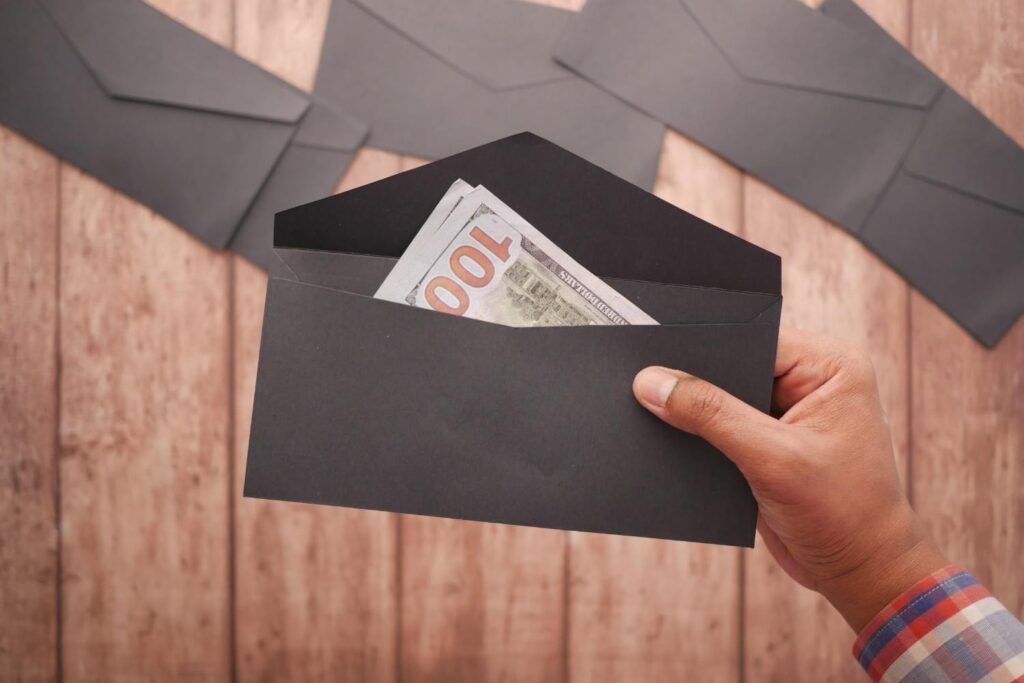
The idea originally used actual cash in actual envelopes: you’d withdraw your grocery budget in cash, put it in an envelope labeled “groceries,” and once that envelope was empty, you were done buying groceries for the month. The system has since moved into apps and digital tools, but the core mechanic hasn’t changed a hard, visible limit per category instead of one general pool of money.
Why It Works Better Than It Sounds
A lot of budgeting fails not because the math is wrong, but because it’s abstract. Knowing you “shouldn’t spend more than $300 on dining out” is easy to ignore in the moment, especially when you’re just tapping a card. Watching a physical or visual envelope get thinner as you spend creates a different kind of awareness you see the constraint, not just know about it.
This is part of why envelope budgeting tends to work especially well for people who overspend in specific categories. If the dining-out envelope is empty by the 20th, there’s no ambiguity about whether you can afford to eat out again you can see that you can’t.
Step 1: List Your Income and Fixed Bills
Start with your total take-home income for the budgeting period, usually monthly. Separate out fixed bills that don’t vary rent, insurance, loan payments, subscriptions since these typically aren’t good candidates for envelopes. They’re the same every month and don’t benefit from the spend-until-empty structure the way flexible spending does.
Step 2: Pick Your Envelope Categories
Envelope budgeting works best on categories where spending varies and where you actually have some control month to month. Common envelope categories include:
- Groceries
- Dining out
- Gas or transportation
- Entertainment
- Personal care
- Clothing
- Miscellaneous/spending money
Keep the list manageable. Too many envelopes and the system becomes more work than it’s worth; too few and you lose the specificity that makes it useful. Somewhere between six and ten categories works for most people starting out.
Step 3: Assign a Dollar Amount to Each Envelope
Decide how much goes into each envelope based on past spending, if you know it, or a reasonable estimate if you don’t. Add up your fixed bills and every envelope amount, and compare that total to your income. If there’s money left over, decide where it goes savings, debt payoff, or an existing envelope that felt too tight. If the total is more than your income, envelopes need to shrink until the numbers work.
Be realistic here. Setting a $200 grocery envelope when you’ve historically spent $400 doesn’t create discipline it just sets the system up to fail in week one.
Step 4: Fund the Envelopes
At the start of each budgeting period, put the assigned amount into each envelope. If you’re using physical cash, this means withdrawing the total and physically dividing it. If you’re using a digital version, this usually means allocating the amount within the app, even though the money technically sits in one bank account.
Some people use a hybrid approach: cash envelopes for categories where overspending is the biggest temptation (dining out, shopping), and digital tracking for everything else. There’s no rule that says it has to be all one or the other.
Step 5: Spend Only From the Relevant Envelope
Once envelopes are funded, spending follows one rule: money for a category comes only from that category’s envelope. A restaurant meal comes out of dining out, not groceries, even if groceries still has room. This keeps the categories honest and keeps you aware of exactly where you stand in each one.
Step 6: When an Envelope Runs Out, Stop (or Borrow Deliberately)
This is the step that makes the method work, and also the step people are most tempted to skip. When an envelope is empty, spending in that category stops until the next funding period. If it feels necessary to spend anyway, the honest move is to borrow from a different envelope on purpose moving money from, say, entertainment into groceries rather than just spending anyway and losing the constraint entirely.
Borrowing occasionally isn’t a failure of the system. Doing it every single month without adjusting the original envelope amounts is a sign the category needs a bigger number next time, not that the method doesn’t work.
Step 7: Reset and Adjust Each Period
At the end of each budgeting period, look at what happened. Some envelopes ran dry early; others had money left over. Use that information to adjust next period’s amounts rather than starting from the same guess every time.
Leftover money in an envelope is a decision point, not automatically a bonus to spend. Some people roll it into the same envelope for the next period as a small buffer; others move it to savings. Either is fine the point is deciding on purpose instead of letting it disappear into general spending.
Cash vs. Digital Envelopes
Cash envelopes offer the strongest psychological effect physically running out of bills in an envelope is a harder stop than a number on a screen. The downside is practicality: carrying cash isn’t always convenient or safe, and it doesn’t work well for online purchases.
Digital envelope apps replicate the same category-limit structure without needing physical cash. You get the visual tracking and hard-stop feeling without the logistics of carrying money around. The trade-off is that it’s slightly easier to ignore a number on a screen than an empty envelope in your hand the discipline has to come a little more from you.
Neither version is objectively better. People who overspend impulsively in person often do better with physical cash; people who spend mostly online or by card tend to do fine with a digital version.
Who the Envelope Method Works Best For
Envelope budgeting tends to suit people who:
- Struggle with overspending in specific, identifiable categories
- Want a visual, tangible sense of what’s left rather than trusting a mental estimate
- Prefer a simple system over detailed tracking of every transaction
It works less well for people with highly irregular income, since fixed envelope amounts assume a relatively predictable budget to divide up each period. It can also feel restrictive for people who don’t like the idea of a hard stop on spending, even in categories where flexibility matters to them.
Common Mistakes to Avoid
- Making too many envelopes. More than ten or twelve categories usually becomes more maintenance than most people will keep up with long-term.
- Setting amounts too low to be realistic. An envelope that empties in the first week isn’t creating discipline it’s just guaranteed to fail.
- Spending from the wrong envelope. Pulling from groceries to cover a dining-out overspend defeats the purpose of tracking categories separately.
- Never adjusting the amounts. If the same envelope runs dry every single period, that’s information. Either the number needs to change or the spending does.
What to Do From Here
The envelope method comes down to one simple idea: give flexible spending categories a hard, visible limit instead of a vague mental estimate, and stop spending in that category once the limit’s hit. Whether you use cash, an app, or a mix of both, the discipline comes from the same place seeing the constraint instead of just knowing about it. Start with a manageable number of categories, fund them honestly based on real spending, and adjust as you go.
FAQ
Do I need to use actual cash for the envelope method to work?
No, Digital envelope apps replicate the same category-limit structure. Cash tends to create a stronger psychological stop for people who overspend impulsively, but it’s not required.
How many envelope categories should I start with?
Somewhere between six and ten works well for most beginners enough to separate meaningful categories without making the system too much to maintain.
What happens if I run out of money in one envelope before the month ends?
Spending in that category stops, or you deliberately move money from another envelope. The key is making that choice on purpose rather than ignoring the limit entirely.
Is the envelope method good for irregular income?
It’s harder to apply directly, since it assumes a relatively predictable amount to divide into envelopes each period. Basing envelope amounts on your lowest typical month can help it still work.
Can I combine the envelope method with other budgeting approaches?
Yes, many people use envelopes only for the categories they tend to overspend in, like dining out or shopping, while tracking fixed bills and savings more loosely elsewhere.