
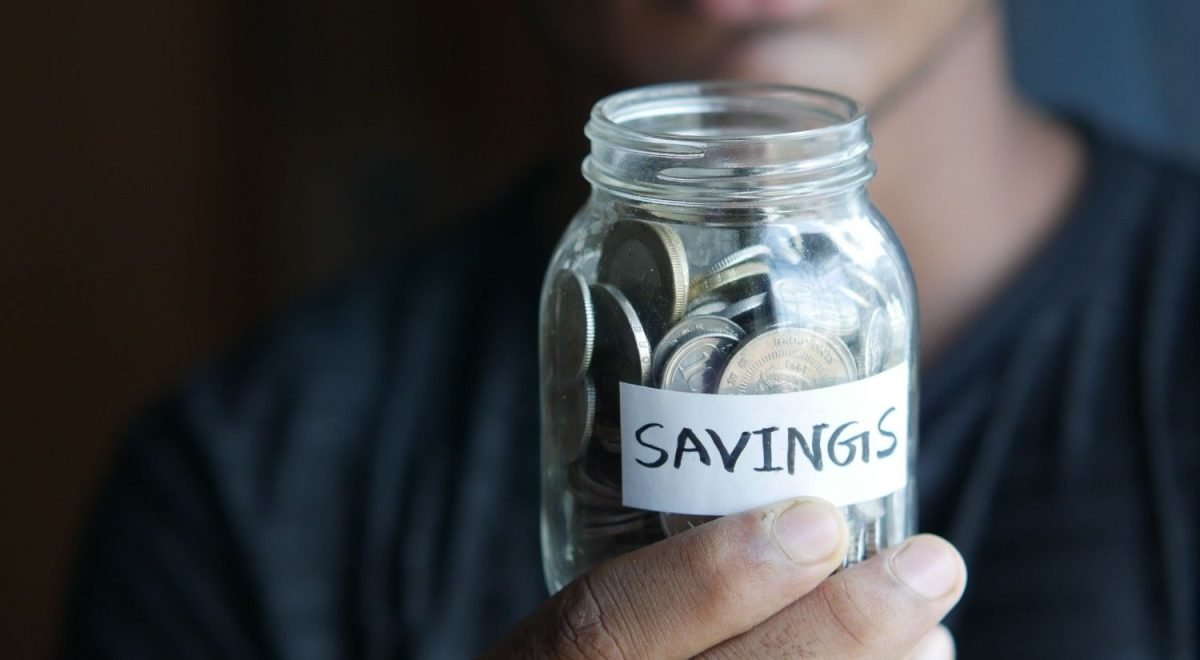
The Complete Guide to Building an Emergency Fund
Most people know they should have savings set aside for when something goes wrong. Fewer people actually have it. A busted car alternator, a surprise medical bill, a layoff notices any one of these can turn into high-interest debt if there’s no cash sitting ready to cover it. An emergency fund is the fix: money kept separate from your everyday spending, untouched until you genuinely need it.
This guide walks through what an emergency fund actually is, how much to save, where to keep it, and how to build one even if you’re starting from zero.
What Counts as an Emergency (and What Doesn’t)?
An emergency fund exists for the events you can’t predict and can’t skip: a job loss, a car repair that gets you back to work, a medical bill, an unplanned flight home for a family crisis, a broken appliance you can’t live without.
It’s not for a sale at your favorite store, a vacation, or a gift you forgot to budget for. Those are real expenses, but they’re plannable they belong in a separate savings category, not the emergency fund. Blurring this line is one of the fastest ways an emergency fund disappears just when you need it.
A simple test: if you could have seen it coming with a little planning, it’s not an emergency. If it showed up out of nowhere and threatens your ability to pay rent, eat, or get to work, it qualifies.
Why It Matters More Than People Think
Without savings, an unexpected $600 repair often gets put on a credit card. That card carries interest. Now a $600 problem costs $700 or $800 by the time it’s paid off, assuming it gets paid off at all before the next emergency hits.
An emergency fund breaks this cycle. It turns a crisis into an inconvenience. You still have to deal with the broken transmission or the missed paycheck, but you’re not also fighting a growing debt balance while you do it.
There’s a mental health side to this too, even without getting clinical about it: knowing you have a cushion changes how stressful a bad month feels. People who’ve built even a small buffer report feeling less anxious about day-to-day financial decisions, because one bad week doesn’t threaten to unravel everything.
How Much Should You Actually Save?
The common advice is three to six months of essential expenses. That’s a reasonable target, but it’s not the right starting point for everyone, and treating it as an all-or-nothing goal is why a lot of people never start.
A few ways to think about the number:
- Your job stability matters. Someone with steady income and strong job security might be fine at three months. Someone freelancing, working commission-based sales, or in an industry prone to layoffs might want closer to six months or more.
- Your household matters. A single income household supporting kids or a non-working partner generally needs a bigger cushion than a dual-income household with no dependents.
- “Essential expenses” means essential, not current. Rent or mortgage, utilities, groceries, insurance, minimum debt payments, transportation. Not streaming subscriptions, dining out, or your gym membership. Calculate based on the bare minimum you’d need to keep the lights on.
If three to six months of expenses feels impossible right now, it is not the number to chase first. Start with $1,000. That single milestone covers a huge share of common emergencies a car repair, a broken appliance, an urgent vet bill and it’s achievable in weeks or months rather than years. Build from there.
Where to Keep an Emergency Fund
The money needs to be reachable within a day or two, but not so reachable that you’re tempted to spend it on a Tuesday. A few options, in rough order of what most people choose:
High-yield savings account. This is the standard answer for a reason. It’s separate from your checking account, it’s FDIC-insured up to the legal limit, and it earns some interest instead of sitting idle. Online banks tend to offer meaningfully better rates than the savings account attached to your everyday checking.
Money market account. Similar to a high-yield savings account, sometimes with check-writing privileges. Rates and features vary by bank, so it’s worth comparing before opening one.
What to avoid. Don’t put your emergency fund in the stock market, cryptocurrency, or anything else that can lose value right when you need to withdraw it. The point of this money isn’t growth it’s availability. A market downturn hitting at the same moment as a job loss is exactly the scenario an emergency fund is supposed to protect you from, not expose you to.
Keeping it in a separate account, at a separate bank if possible, also adds a small but real psychological barrier. If the money isn’t sitting next to your checking balance, you’re less likely to dip into it for something that isn’t actually an emergency.

Building the Fund When Money Is Already Tight
Saving anything can feel out of reach when the paycheck barely covers the bills. A few approaches that work even on a limited budget:
Automate a small, fixed amount. Even $20 or $25 per paycheck adds up. Set up an automatic transfer the same day you get paid, before that money has a chance to get spent on something else. Automating removes the decision you’re not relying on willpower every two weeks.
Save windfalls before you get used to them. Tax refunds, work bonuses, cash gifts, rebate checks. Money that wasn’t already budgeted into your regular spending is the easiest money to redirect straight into savings, because you never adjusted your lifestyle around it.
Sell what you’re not using. Old electronics, clothes, furniture taking up space. It’s a one-time boost, but it can jump-start the fund faster than trimming a grocery budget line by line.
Trim one or two specific costs, not your whole budget. Broad “spend less” goals tend to fail because they’re vague. Picking one subscription to cancel or one recurring expense to renegotiate like a phone plan or insurance policy is concrete and repeatable.
Redirect debt payments once they’re paid off. If you’re paying down a car loan or credit card, the moment it’s gone, redirect that exact payment amount into your emergency fund instead of letting it absorb into everyday spending.
None of these need to happen all at once. A fund built at $25 a week is still a real fund in a year around $1,300, not counting interest.
Common Mistakes That Undo an Emergency Fund
Treating it as a slush fund for near-emergencies. A concert ticket that’s “basically an emergency because it’s once in a lifetime” is not what this money is for. Every non-emergency withdrawal weakens the fund’s actual purpose.
Not replenishing it after use. Using the fund for a real emergency is exactly what it’s there for — but if you don’t prioritize rebuilding it afterward, you’re back to zero protection the next time something happens. Treat replenishment as its own short-term savings goal.
Keeping it somewhere too convenient. If your emergency fund lives in the same checking account you use for daily spending, it’s going to get spent on things that aren’t emergencies, slowly and without you quite noticing.
Waiting for the “right amount” before starting. Some people delay starting at all because six months of expenses feels so far away that saving $50 seems pointless. It isn’t. Every emergency fund starts at zero.
Start Small, Stay Consistent
An emergency fund isn’t built in a weekend, and it doesn’t need to be. The difference between someone with a working safety net and someone without one usually isn’t income it’s whether they started, and whether they kept the money separate once it existed.
Pick a number you can actually hit in the next month, even if it’s small. Automate what you can. Keep the account somewhere you won’t touch by accident. Then let it grow.
FAQ
Q: Should I build an emergency fund before paying off debt?
A: Most financial counselors recommend starting with a small starter fund, often around $1,000, before aggressively paying down debt. This way, a surprise expense doesn’t force you back onto a credit card while you’re trying to get out of debt. Once you have that starter cushion, many people shift focus to high-interest debt before building the fund up to three to six months of expenses.
Q: Is a Roth IRA a good place to keep emergency savings?
A: Generally not as the primary spot, even though Roth IRA contributions (not earnings) can technically be withdrawn without penalty. The account is designed for retirement growth, and pulling from it disrupts that. A dedicated high-yield savings account keeps emergency money separate and fully liquid without touching retirement plans.
Q: How do I know if something is a real emergency or just an unplanned expense?
A: Ask whether it threatens something essential housing, food, transportation to work, health and whether it was genuinely unpredictable. A parking ticket isn’t an emergency. A job loss or a necessary medical procedure is.
Q: What if I can only save $10 a week?
A: That’s still worth doing. Ten dollars a week is over $500 a year, and consistency matters more than the size of each contribution. Small, automatic savings habits tend to stick better than sporadic large deposits anyway.
Q: Should each person in a household have their own emergency fund, or one shared fund?
A: There’s no single right answer it depends on how the household manages money generally. Couples who combine finances often keep one shared fund sized to household expenses. Couples who keep finances more separate sometimes prefer individual funds. What matters most is that the total coverage matches the household’s actual essential expenses, however it’s divided.